What are polynucleotides? A plain-English guide
Polynucleotides are one of the most asked-about skin treatments right now, especially for tired-looking under-eyes. They're also one of the most misunderstood. Here's what they are, what they do and don't do, and how long they last.
What are polynucleotides?
Polynucleotides are purified DNA fragments, injected into the skin to support its own repair processes. Rather than filling or hydrating, they work on skin quality, encouraging firmer and more resilient skin over time.
The change is gradual and subtle: better texture, more bounce, skin that looks less tired. Nothing is added to change your shape, which is why polynucleotides suit people who want improvement without looking treated.
How are they different from filler?
Filler adds volume to change shape, such as fuller lips or restored cheeks. Polynucleotides don't add volume. They're used to improve the quality of the skin itself. If you're unsure which you need, that's exactly what a consultation is for.
Where are polynucleotides used?
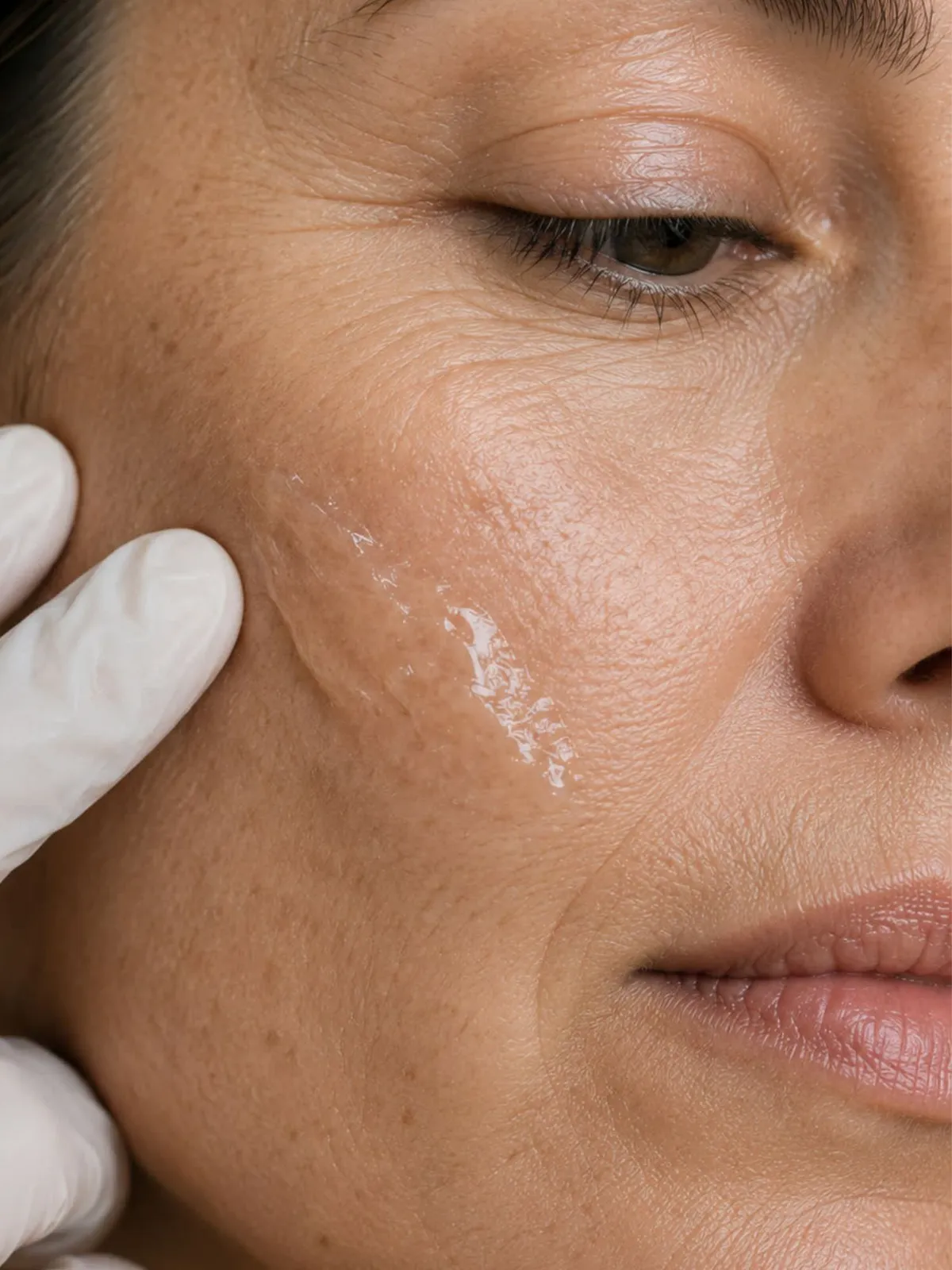
The under-eye area is the most common reason people ask. Skin there is thin and notoriously difficult to treat well, and polynucleotides are often a good fit for it.
They're also used for the upper lip and the lines around the mouth, the neck, the lower face, and the face and neck together, depending on what your skin needs.
How a course works
Most people have a course of treatments spaced a few weeks apart, because the results build gradually. You won't walk out looking different after the first session, and it's honest to say so. Most people notice a change across the course, and skin often keeps improving for some weeks after the last one.
The treatment uses very fine injections, and numbing cream can be used beforehand. Small raised bumps at the injection points are normal and usually settle within a day or so. Some people have mild redness or bruising.
How long do polynucleotides last?
Because they work by supporting your skin's own repair, the improvement develops over weeks and can last for several months. Many people have a maintenance session once or twice a year. How many sessions you need, and how often, depends on your skin and the area being treated.
Are polynucleotides right for you?
Not always, which is one reason every treatment starts with a consultation. Polynucleotides aren't offered during pregnancy or breastfeeding, and the clinic doesn't treat anyone under eighteen.
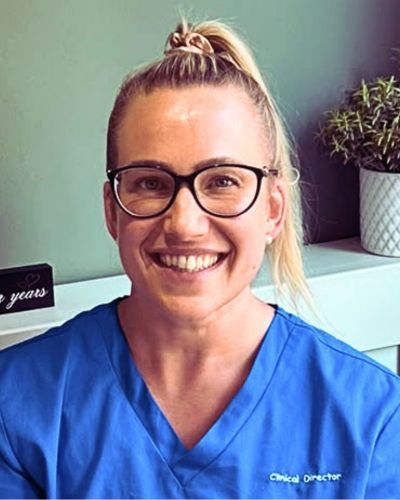
At The Mansfield Park Clinic, every treatment is planned and carried out by Lara Eastwood, a Registered Nurse with nineteen years in the NHS and twelve in aesthetics. She'll go through your medical history, including any allergies, and tell you honestly whether polynucleotides, or something else, suits your skin.
Polynucleotides in Mansfield
Read more about polynucleotides at The Mansfield Park Clinic, or compare them with skin boosters, which focus on deep hydration.
When you're ready, book a consultation with Lara at the clinic beside Carr Bank Park. You'll have the full cost in writing before you decide anything, and there's no obligation to go ahead.